Retirement marks the end of a professional framework that structured time, relationships, and the feeling of being useful. For many new retirees, the difficulty lies not in the lack of available activities, but in the loss of a clear role. Living better in retirement means rebuilding a routine that takes into account the actual energy one has, not an ideal of a hyperactive senior.
Finding a useful role after professional life
The first months of retirement often feel like an extended vacation. The break becomes apparent when this feeling of freedom gives way to a sense of drifting. Work provided a social identity, weekly goals, and feedback on what was produced. None of this spontaneously reconstitutes itself.
Volunteering is the most documented avenue for regaining a sense of concrete usefulness. Charitable organizations, tutoring, supporting isolated individuals, food assistance: there is no shortage of structures. Sharing professional experience, through mentoring young professionals or project leaders, offers a direct extension of skills acquired during one’s career.
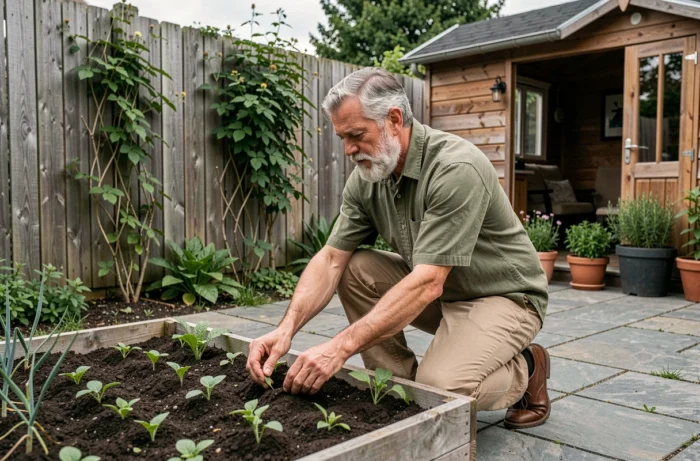
A personal structuring project also works: writing, restoring, cultivating, documenting local history. The goal is not to replicate an employee’s schedule, but to have at least one activity that generates a visible result expected by others. Resources like seniorsdumonde.fr help identify collective initiatives suited to this transitional period.
Daily energy levels: building a realistic routine for seniors
The majority of retirement guides offer lists of activities without addressing the issue of available energy. From the age of sixty, fatigue is no longer managed in the same way. Most people experience peaks of alertness in the morning, and recovery after physical or intellectual effort takes longer.
Building a realistic routine means accepting that two or three active slots per day are more than sufficient. One morning dedicated to physical activity, one early afternoon dedicated to a project or an outing, and the rest of the time left free. Filling every available hour leads to exhaustion and discouragement within a few weeks.
Regularity matters more than intensity. Walking for thirty minutes each day produces more sustainable effects than a three-day sports retreat followed by a week of inactivity. This logic also applies to cognitive and social activities: it is better to maintain a weekly workshop throughout the year than to accumulate registrations that are abandoned after a month.
Fall prevention: an underestimated health angle in retirement
Articles on senior health emphasize diet and medical follow-up. However, fall prevention remains one of the most concrete daily challenges after retirement. A fall can shift an autonomous retiree into dependency within weeks, with cascading consequences on morale and social life.
Three levers can help reduce this risk:
- Balance training, through targeted exercises (tai chi, adapted yoga, motor skills courses) practiced at least twice a week, strengthens postural stability and catch reflexes.
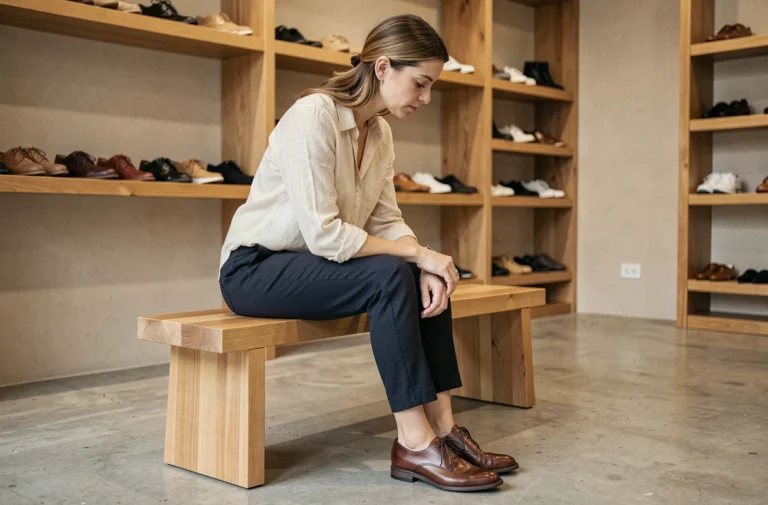
- Identifying individual risk factors: vision problems, medications causing dizziness, unsuitable shoes, malnutrition that weakens muscles. An assessment with the primary care physician helps identify points to correct.
- Home modifications: grab bars in the bathroom, removal of slippery rugs, adequate lighting in hallways and staircases. These simple changes significantly reduce the number of domestic accidents.
This triptych (balance, risk factors, housing) constitutes a prevention approach far more effective than general advice on physical activity.
Social life in retirement: beyond family ties
Family, especially children and grandchildren, plays an important role in retirees’ lives. However, building one’s social life solely on the family circle exposes one to isolation as soon as loved ones become less available. Moves, different life rhythms, geographical distance: periods of solitude arise even in the closest families.
Diversifying social circles requires a deliberate effort. Clubs, associations, municipal workshops, and walking groups create regular connections outside the family framework. These nearby relationships, less intimate but more frequent, play a protective role against the feeling of isolation.
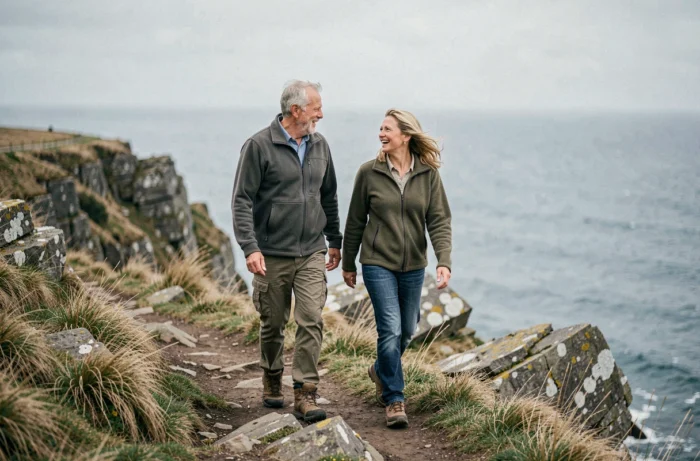
A rarely addressed point: couple life also changes in retirement. Transitioning from part-time together to full-time can create tensions if each partner has not maintained independent activities. Adapting cohabitation, respecting personal spaces, and maintaining distinct interests contribute to a sustainable marital balance over time.
Nutrition and memory: two pillars of senior health
Nutrition after retirement is not just about “eating balanced.” With age, protein needs increase to maintain muscle mass, while appetite tends to decrease. Malnutrition affects a significant portion of older adults living at home, often because meals are simplified when eating alone.
Maintaining structured meals (starter, main course, dessert), cooking with others when possible, and not skipping meals are protective habits. Prioritizing fatty fish, legumes, seasonal fruits, and vegetables remains the best-documented dietary foundation.
Cognitive stimulation follows the same logic of regularity. Memory is maintained through varied daily use: reading, strategy games, learning a language, writing. Activities that combine mental effort and social interaction (workshops, group classes) seem to produce the most lasting effects on intellectual vitality.
Living better in retirement does not rely on an accumulation of activities or a fixed program. It is a constant adjustment between what one wants to do, what the body allows, and what gives the feeling of having a place. Retirees who navigate this period with the most serenity are often those who have accepted to redefine their pace rather than trying to replicate that of their active life.