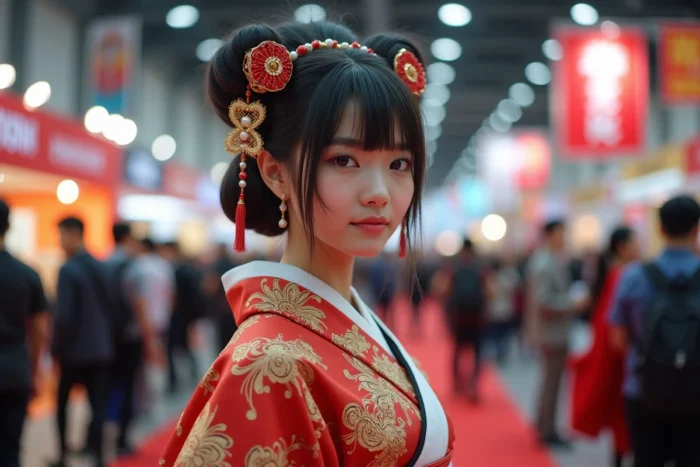
Each edition of Japan Expo, held at the Villepinte exhibition center, attracts visitors who prepare their outfits weeks in advance. Elaborate cosplay, Japanese streetwear style, or a bold kawaii look, the choice of clothing is an integral part of the experience. However, the success of an outfit at this event is not solely based on aesthetics: it also depends on the real constraints imposed by the venue, regulations, and the indoor climate of the halls.
Heat in the Villepinte halls: a factor that cosplayers underestimate
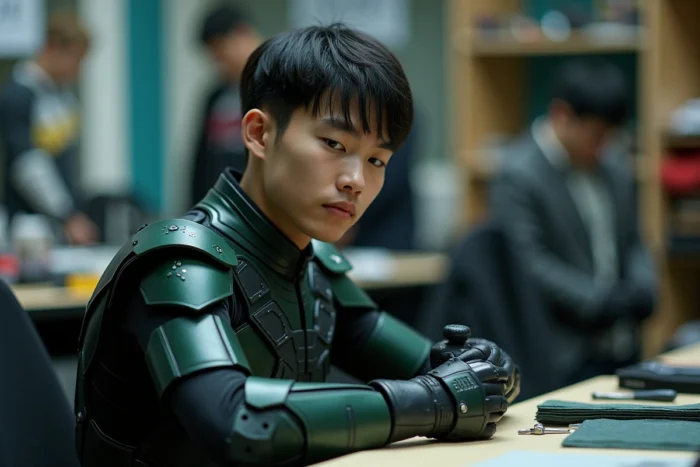
The halls of the exhibition center accumulate heat, especially in July. Cosplayers wearing EVA foam armor, thick synthetic wigs, or layered fabrics quickly realize: the indoor temperature determines how long the costume can be worn.
For the 2026 edition, several content creators recommend prioritizing breathable fabrics like lightweight cotton, viscose, or polyester mesh on the non-visible parts of the costume. Lining a Worbla chest plate with a layer of moisture-wicking fabric prevents a sauna effect without altering the outer appearance.
A tip often shared in the cosplay community: plan a lighter version of your outfit. A character in full armor can be adapted into a “civilian” version (the character’s clothing without the armor), worn while moving between booths. The full armor is then donned for photo sessions and the cosplay contest.
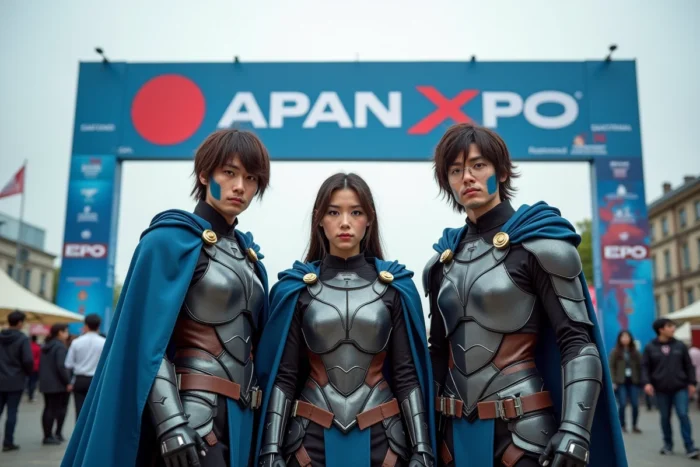
For those looking for ideas for costumes or outfits for Japan Expo on Quali Mode, the issue of thermal comfort should be integrated from the design stage, not treated as a last-minute adjustment.
Allowed and prohibited accessories at Japan Expo 2026: what changes for costumes
The 2026 Japan Expo regulations precisely outline the items that visitors can bring into the event space. These rules directly influence the design of cosplays, and ignoring them risks being turned away at the entrance or having an accessory confiscated that one has worked on for hours.
Prohibited items that impact cosplays
- Bottles and glass objects are banned, which excludes decorative vials, fake potion bottles, or accessories incorporating real glass. They must be replaced with versions made of resin or clear plastic.
- Drums, horns, and megaphones are prohibited, which affects cosplays of musical characters or reimagined Viking warriors. A foam drum without a functional membrane is generally tolerated, but the line is blurry.
- Rollers, skateboards, and scooters are also not allowed through the doors. Characters associated with these items (some protagonists from sports mangas) must settle for the outfit without the rolling accessory.
On the other hand, the regulations allow sewing materials to repair your cosplay on-site, tripods and selfie sticks for photos, as well as umbrellas and aerosol deodorants. Bringing a small repair kit (low-temperature glue gun, thread, needles, double-sided tape) is not optional for a complex costume: it is a necessity.
Outfits without cosplay: Japanese streetwear and thematic looks at Japan Expo
Cosplay is not mandatory to stand out. A significant portion of visitors opts for outfits inspired by Japanese fashion without embodying a specific character. Three directions frequently emerge.
The harajuku streetwear style combines colorful pieces, intentionally disproportionate layering, and eye-catching accessories (over-the-knee socks, platforms, plush-shaped bags). This style works well at conventions because it attracts attention without imposing the constraints of a full cosplay.
The pastel kawaii aesthetic, popularized on Pinterest with hundreds of boards dedicated to Japan Expo looks, relies on pink, lavender, and mint palettes. Key pieces include pleated skirts, Peter Pan collar blouses, and decorative hair clips. This style remains comfortable in the heat of the halls because it uses lightweight fabrics.
The third approach, more discreet, involves wearing a reimagined traditional Japanese garment. A cotton yukata (not a formal silk kimono, which is too hot and too fragile) with a simplified obi belt allows one to stay within the theme while maintaining complete freedom of movement.
“Easy” cosplay: embodying a recognizable character with few pieces
The concept of accessible cosplay has gained visibility, particularly thanks to creators like Ainlina who share ideas for costumes that can be made with everyday clothing. The principle: identify the distinctive visual elements of a character and reproduce them without crafting a costume from scratch.
A white and navy blue school uniform with a short wig is enough to evoke several shonen protagonists. A red and white striped t-shirt, a straw hat, and denim shorts allow one to embody Luffy from One Piece without sewing or armor.
This type of cosplay has a practical advantage: it remains wearable all day without physical discomfort. No bulky prop to keep an eye on, no body paint running with sweat, no rigid piece that limits movement in crowded aisles.
Points to check before the big day
- Test the complete outfit at home for at least an hour to identify areas of friction or discomfort
- Ensure that each accessory complies with the 2026 regulations (no glass, no rolling objects, no amplified sound instruments)
- Plan for a bag large enough to store removable costume elements during breaks
- Bring a quick repair kit and something to cool off (mister, wipes)
The choice of an outfit for Japan Expo is about balancing visual impact and physical endurance. A spectacular costume worn for an hour and then abandoned in a bag has less effect than an outfit designed to last all day, including photos. The thermal and regulatory constraints of Villepinte are not a hindrance; they are a design parameter to integrate from the start.